
The Bacterial Kinkmobile.
New Scientist reports on a new way to propel nanomachines – using wiggly little germs as propulsion (or models for propulsion) because they’re kinky: The […]

SONG: “God Is a Number/God Bows to Math (a double penitential cover)”. (OGG version here.)
ARTIST: grant.
…
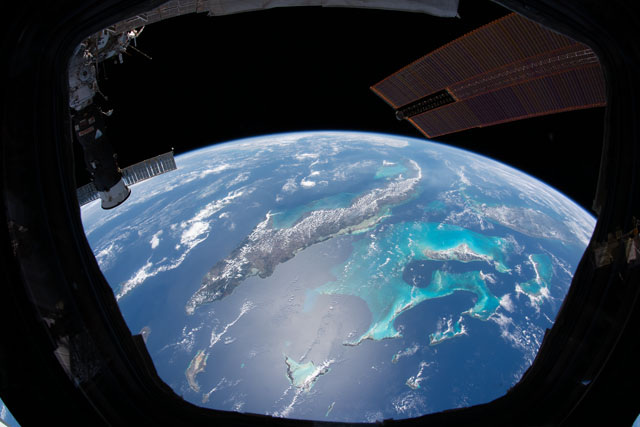
Read moreThis is what Cuba and the Caribbean Sea looks like from the Cupola of the International Space Station, as photo…
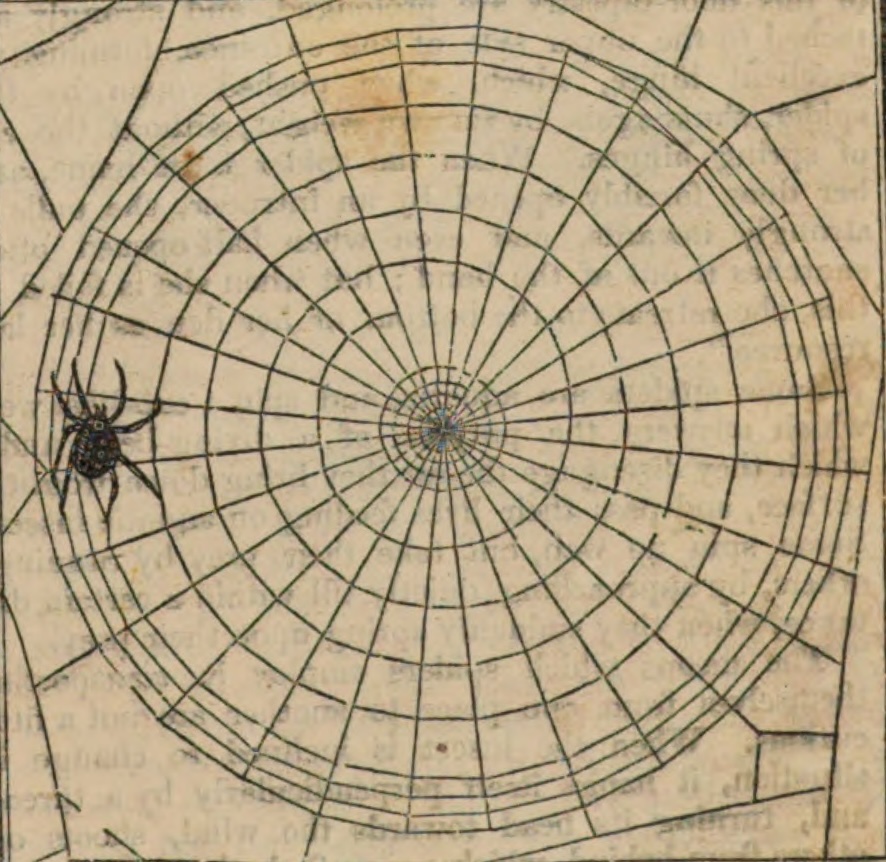
Read moreThis is an illustration from Penny Magazine, which I found on Wikimedia Commons. Its description reads:
Read more1834…
SONG: “Iron Cubes”. (OGG version here.)
ARTIST: grant.
SOURCE: Science, “Iron at Earth’s heart may take a…
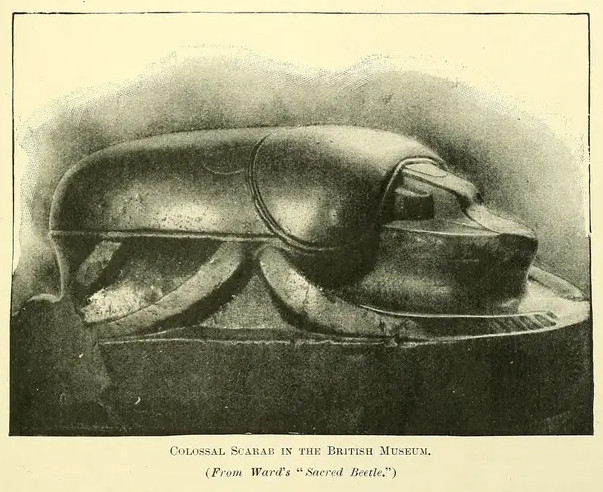
Read moreThis is maybe one of the oldest scientific illustrations to have been entered here, depending on how you want t…
Read moreFrom the NASA Scientific Visualization Studio:
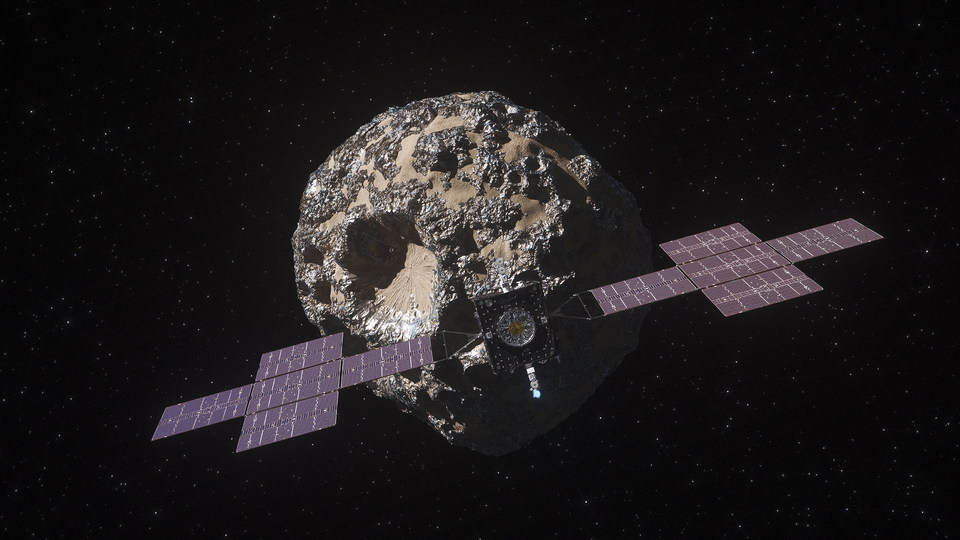
Read moreThis illustration depicts NASA’s Psyche spacecraft. Launched…
New Scientist reports on a new way to propel nanomachines – using wiggly little germs as propulsion (or models for propulsion) because they’re kinky: The […]
Snakes, as we know too well, come in two varieties: the venomous kind, which stick you full of poison, and the constricting kind, which smother […]
Science Daily reports on astronomers making an atypically cute discovery. The Hubble Space Telescope has isolated nine new galaxies – the smallest galaxies ever observed: […]
Because they’re going there, reports Nature. Not in person (not right away, anyway), but with the launch of a new satellite system: The Japan Aerospace […]
That’s what those feisty young upstarts New Scientist are trying to tell us – that replacing sugar with honey will keep us bright, sharp and […]
Tabulae sceleti et musculorum corporis humani by anatomist Bernard Albinus and illustrator Jan Wandelaar, 1747. Apparently, the rhino’s name was Clara, and she was quite […]
Dark energy is the mysterious force that keeps the universe from imploding – or, some say, is pushing us all farther and farther apart. Other […]
We’re in the middle of massive extinction event, warns SciDevNet – not of species, but of breeds. As in livestock. And that can be bigger […]
Oh, man. Nature gives us another reason to be terrified of moray eels. They’re just like the alien that stalked Sigourney Weaver: Like the fearsome […]
Nature reveals that British researchers have been given the green light to create embryos from human DNA implanted in animal cells. Just don’t call them […]
New Scientist reveals the new design for Spaceport America, to be built in the New Mexico desert in 2008: The designers of Spaceport America opted […]
We’re too clean, reports Science Daily. We need to get dirty to stay healthy: Families with three or more children – a more common family […]
Click for larger version Frederik de Wit was a Dutch cartographer of the 1600s, a time when the Dutch were using maps like never before. […]
By now, you’ve probably heard about the gaping hole in the middle of everything, as covered by Scientific American (from Reuters): The team at the […]
Or, well, something like Ice-9. At least, so says New Scientist: Layers of ice of few nanometres thick can remain frozen at human body temperature […]
Copyright © 2026 | WordPress Theme by MH Themes