
Science Art: Locusta Indica (from Insecten-Belustigang by A.J. Rösel von Rosenhof)
Click to embiggen. As far as I can tell, the name of the volume from which this illustration came means “The Joy of Insects.” I’m […]

SONG: “Your Catalogue”. (OGG version here.)
ARTIST: grant.
SOURCE: NBC News, “New wild cat species is ide…
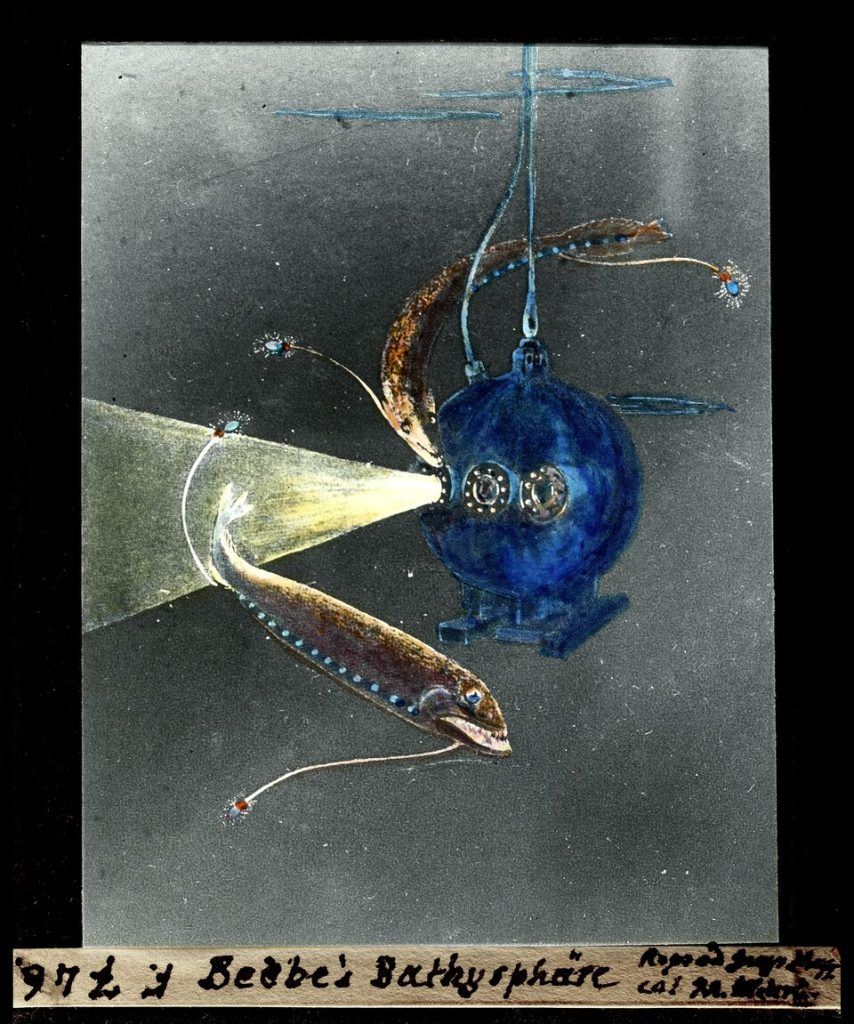
Read moreThis is an image of William Beebe’s bathysphere, as placed on Wikimedia Commons by ETH Bibliothek. It was creat…
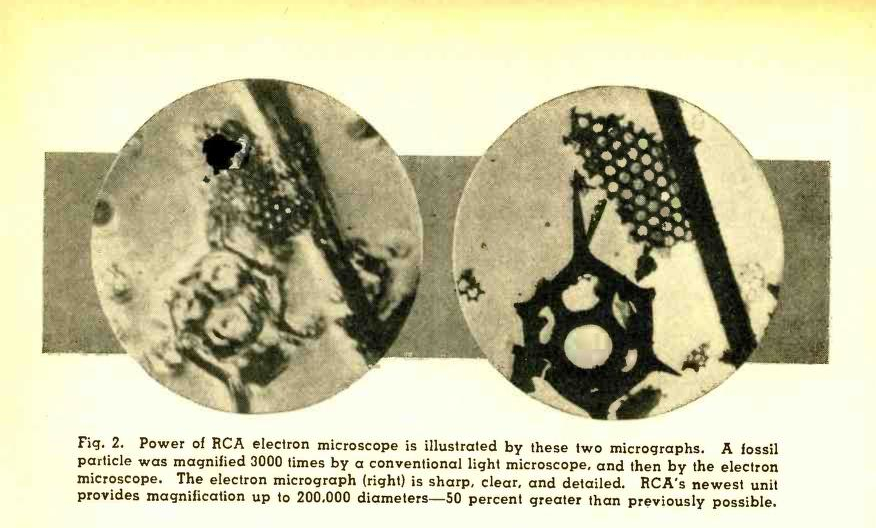
Read moreThese are diatoms, I think, seen by two different microscopes.
As the caption from Popular Electronics says…
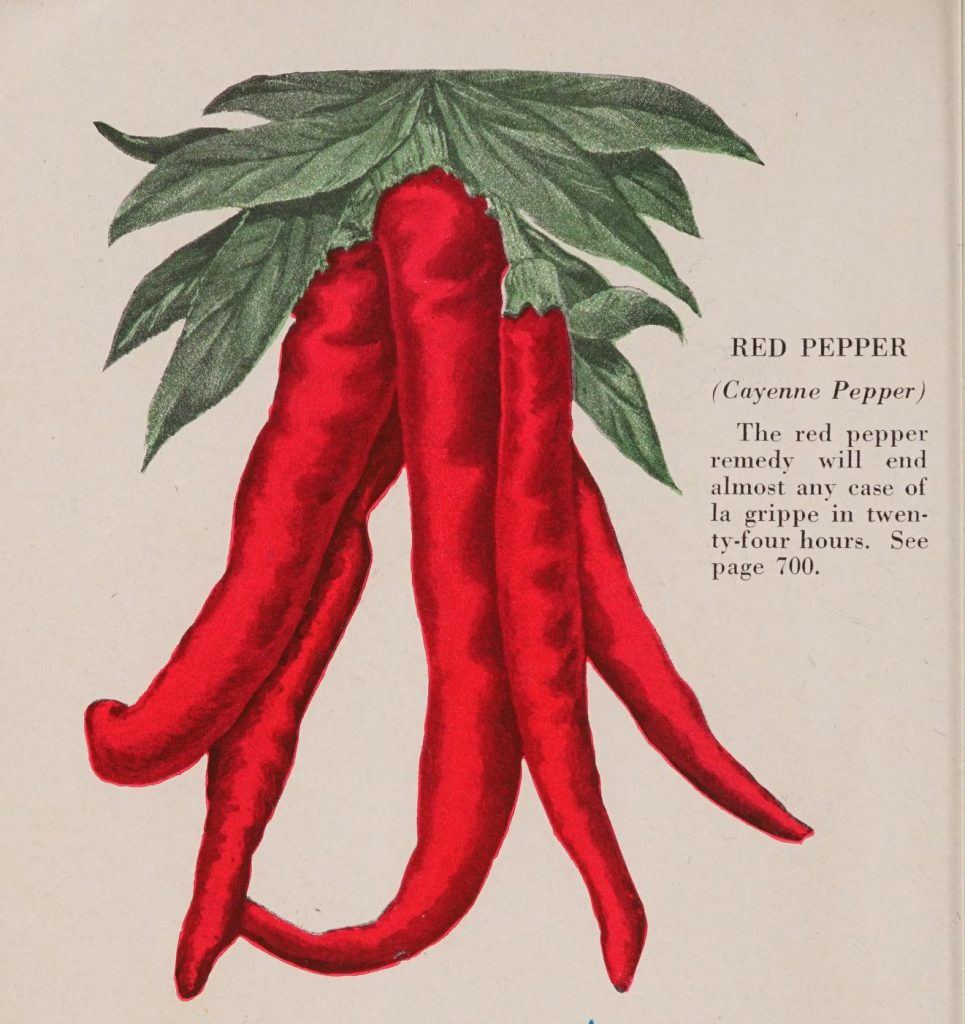
Read moreRed pepper (Cayenne pepper) will cure almost any case of la grippe within 24 hours, or so they say. At least no…
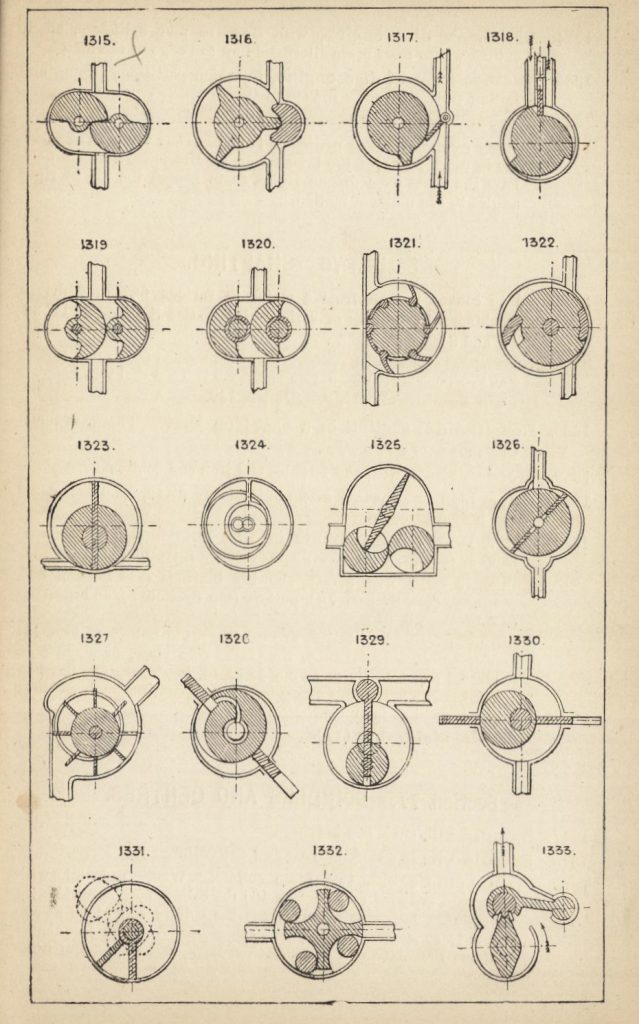
Read moreThis is a page of figures from (deep breath) The engineer’s sketch-book of mechanical movements, devices, appli…
Read moreClick to embiggen. As far as I can tell, the name of the volume from which this illustration came means “The Joy of Insects.” I’m […]
Watasenia Scintillans Addresses the New Graduates by Squid Pro Crow So. If you’ve noticed me referring obliquely to a “special project” lately, or to “having […]
SONG: “One In Ten.” (To download: double right-click & “Save As”) ARTIST: grant. SOURCE: Based on “Minority Rules: Scientists Discover Tipping Point for the Spread […]
BBC covers the latest cure to come from recreational drugs: Ecstasy is known to kill some cancer cells, but scientists have increased its effectiveness 100-fold, […]
Click to embiggen A bouquet of flowers, and one of the deadliest poisons known to humankind. From the image’s Wikimedia Commons page: Pollen from a […]
Science reveals the cause of the shoreline-threatening epidemic of coral decline. It’s simple – the reefs are sick to death of our crap: Nine years […]
It’s a terrible disease, but it doesn’t have to be as terrible as it is. Science Daily recently ran some research on simple ways to […]
They’re temporary, sure, but these tattoos in Ars Technica are still powerful. Literally. They’re monitors made from tattooed circuits on your skin: All of the […]
SONG: “Evert 1 Pipkin”. ARTIST: grant. Originally by Man or Astro-Man? SOURCE: This is a penitential cover. It’s not from any specific scientific study… although […]
Click to embiggen. A portrait of a tattoo of an anatomical engraving, each of which is beautiful enough on its own…. From D.E. Eastman, via […]
The latest Bottom Line Health newsletter had the skinny on this amazing study on how our bodies react to “low-calorie” packaging. That label leaves you […]
If you know anyone who’s battling cancer, Johns Hopkins would like to see if psilocybin will help: We are seeking volunteers with a diagnosis of […]
Wired brings us another step closer to talking with the animals, thanks to research showing that mama parrots give their babies names: Before a green-rumped […]
Live Science discusses a strange bit of statistics – showing that the farther apart you and your mate are from, the taller your offspring will […]
SONG: “The Shape of Your Words.” (To download: double right-click & “Save As”) ARTIST: grant. SOURCE: Based on “Kiki or bouba? In search of language’s […]
Copyright © 2026 | WordPress Theme by MH Themes