

Science Art: Skull of Dolichorhinus cornutus (Osborn),
This is the skull of a creature with lots of scientific names, but in “Osteology of Dolichorhinus longiceps Douglass, with a review of the species […]
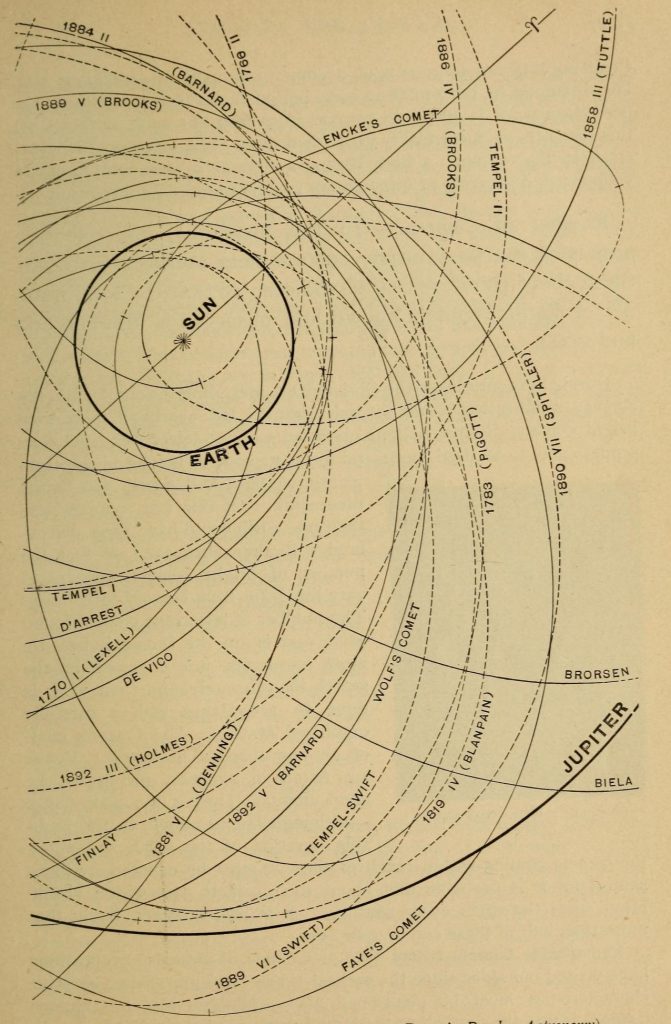

This is a diagram from A New Astronomy For Beginners, a textbook that’s about a century and a quarter old, or a…
Read moreSONG: “Your Catalogue”. (OGG version here.)
ARTIST: grant.
SOURCE: NBC News, “New wild cat species is ide…
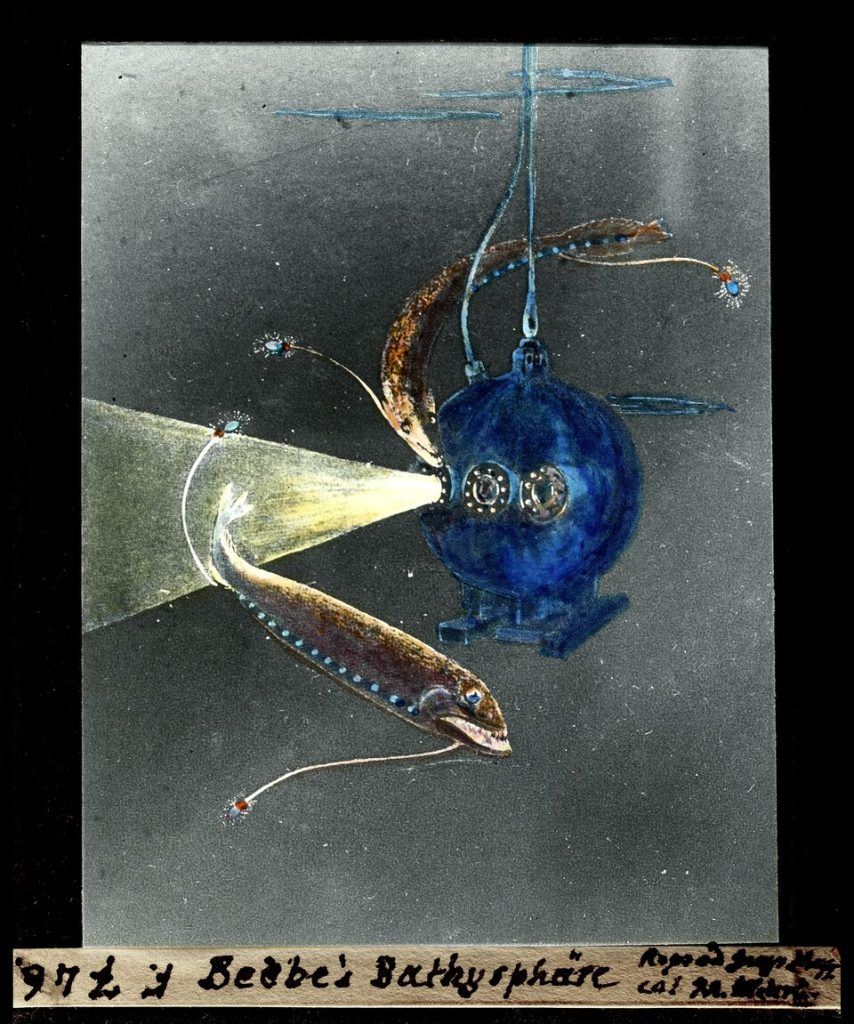
Read moreThis is an image of William Beebe’s bathysphere, as placed on Wikimedia Commons by ETH Bibliothek. It was creat…
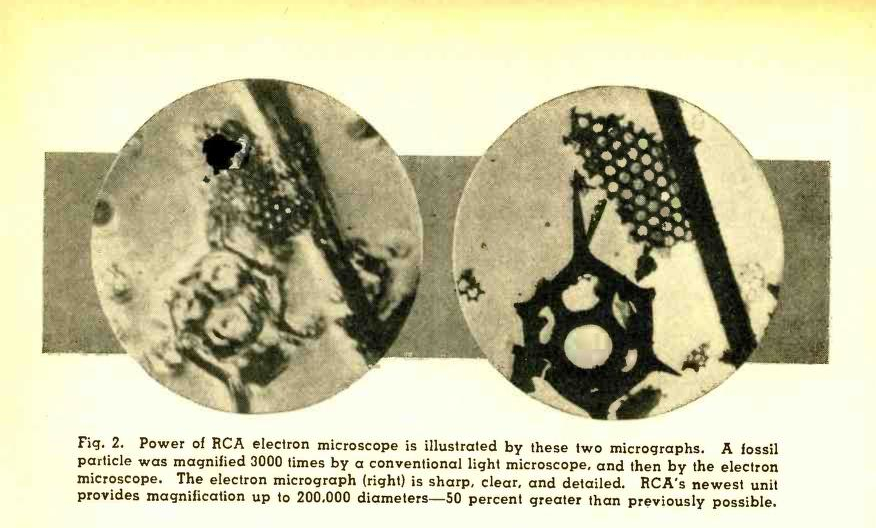
Read moreThese are diatoms, I think, seen by two different microscopes.
As the caption from Popular Electronics says…
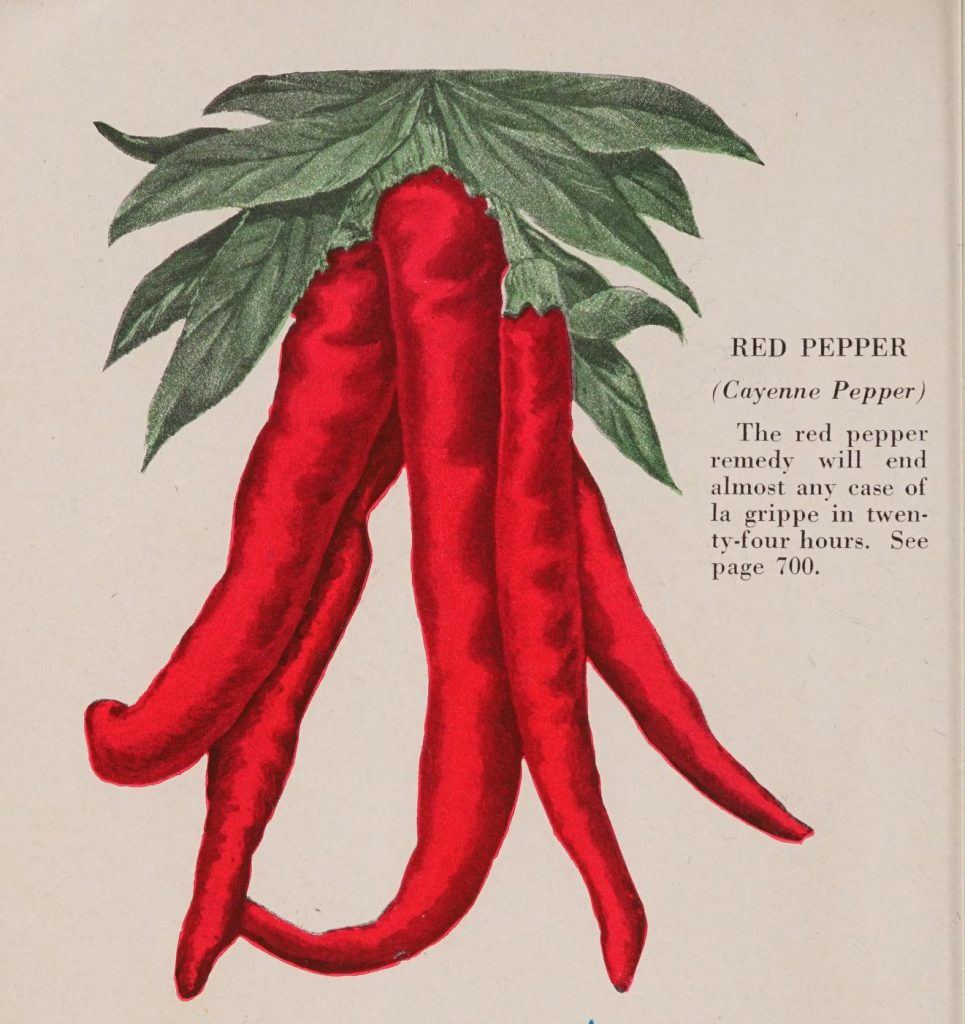
Read moreRed pepper (Cayenne pepper) will cure almost any case of la grippe within 24 hours, or so they say. At least no…
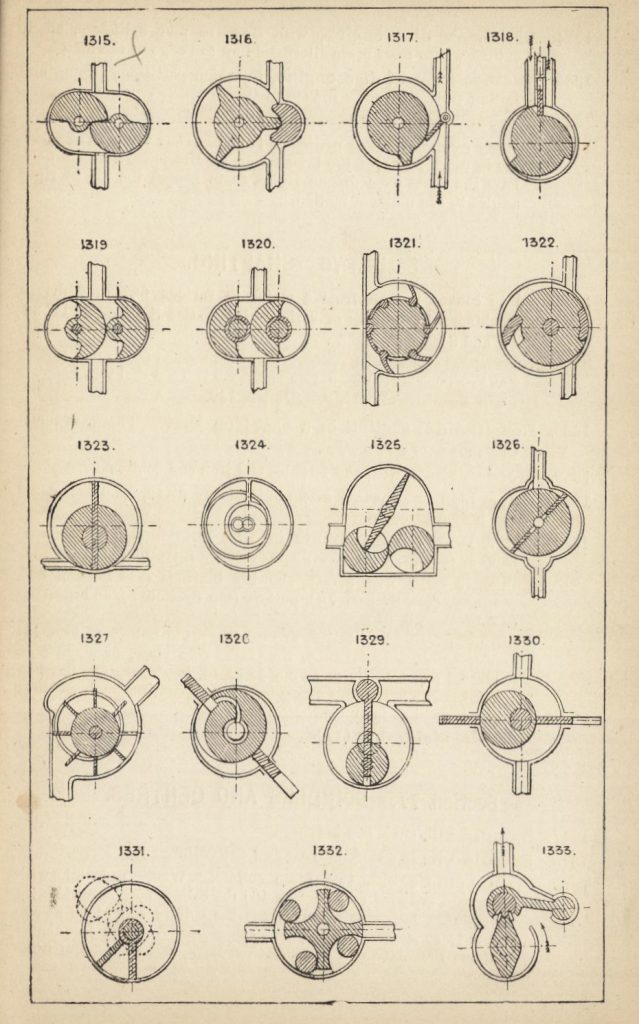
Read moreThis is a page of figures from (deep breath) The engineer’s sketch-book of mechanical movements, devices, appli…
Read more
This is the skull of a creature with lots of scientific names, but in “Osteology of Dolichorhinus longiceps Douglass, with a review of the species […]
Scientific American published an interview from sister publication Cerveau & Psycho with Jean Abitbol, a Paris-based ear, nose and throat physician, phoniatrician, and craniofacial surgeon. […]
Scientific American reports on a growing number of firefighters who don’t have to worry about smoke inhalation or blistering heat – because they’re self-steering robots, […]
Science magazine offers a briefing on a paste modeled on barnacle glue that sticks to wet surfaces within 15 seconds – making it a perfect […]
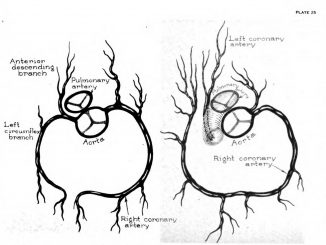
This diagram came from an article called “Anomalous Origin of Left Coronary Artery” by John C. Ruddock, a Naval Reserve Medical Corps commander, and Charles […]
Popular Science takes us over a bridge built inside a Fribourg, Switzerland, laboratory entirely out of re-used concrete – a thrifty construction technique that could […]
SONG: “Rocks in the Sky”. ARTIST: grant. SOURCE: NASA Press Release, 16 Oct 21, “NASA, ULA Launch Lucy Mission to ‘Fossils’ of Planet Formation,” as […]

Oh, a beautiful Renaissance landscape by one of those Lowland masters, a naturalistic scene of people meeting merrily on a wooded path between the village […]
I’ve got a melody, I’ve got a subject, but the words aren’t here yet. Mea maxima culpa. A song and two penitential covers shall arrive.
Scientific American commentator Mason Marks, a law professor, examines three roads to making psilocybin easier for researchers – and people who need clinical help – […]
NASA has launched a probe named Lucy, after the Australopithecus fossil that rewrote the story of human origins. This Lucy’s job is to check out […]
Scientific American looks at scientific Kenyans, who have taken advantage of one of the few things elephants are actually afraid of – stinging honeybees – […]

This is a chameleon seen inside and out in Mémoires pour servir à l’histoire naturelle des animaux, by Claude Perrault, an early text on natural […]
Euronews.com reports on a new use for robots, to enforce social mores and good citizenship. Citizens seem less than pleased with the artificial politeness police, […]
Reuters reports that the Chinese moon mission brought back rock samples that were about a billion years younger than expected – meaning the molten early […]
Copyright © 2026 | WordPress Theme by MH Themes